

Introduction: The Independent Professional’s Digital Arsenal
The global freelance economy is booming, fueled by the demand for specialized, flexible talent and the inherent freedom of self-employment. However, being a successful freelancer requires more than just excellent core skills; it demands proficiency in managing every aspect of a business—from marketing and sales to project execution, invoicing, and tax management. Without the right technological foundation, the freedom of freelancing can quickly devolve into overwhelming administrative chaos.
For content publishers, particularly those aiming for robust Google AdSense revenue and strong Search Engine Optimization (SEO), articles focused on the best tools for freelancers are high-performing assets. They target an audience actively seeking solutions, often leading to high click-through rates (CTR), deep engagement, and opportunities for affiliate marketing integration.
This comprehensive, over 2,000-word guide meticulously details the indispensable software, applications, and platforms that form the digital arsenal of the modern, high-earning independent professional. We have categorized these tools to provide a clear, actionable roadmap for optimizing every stage of the freelance workflow.
1. 🤝 Client Acquisition and Relationship Management
Before any work can begin, freelancers must efficiently find, qualify, and manage their prospective and existing clients.
1.1. Proposal and Contracting Tools
Winning work depends on professional, legally sound, and appealing proposals.
-
A. Professional Proposal Software (e.g., Better Proposals, Proposify): These platforms streamline the creation of polished, interactive proposals that clients can sign electronically. They track when the client opens and views the proposal, providing valuable sales intelligence.
-
B. E-Signature Services (e.g., DocuSign, HelloSign): Essential for quickly and legally binding contracts. They eliminate the need for printing, scanning, and emailing documents, accelerating the onboarding process.
-
C. Freelance Marketplaces (e.g., Upwork, Fiverr Pro): While often debated, these platforms remain crucial sourcing channels for many. They are highly optimized for finding initial projects, securing payments, and building a foundational reputation.
1.2. Customer Relationship Management (CRM)
Even solo freelancers benefit from a simplified CRM to track leads, conversations, and client history.
-
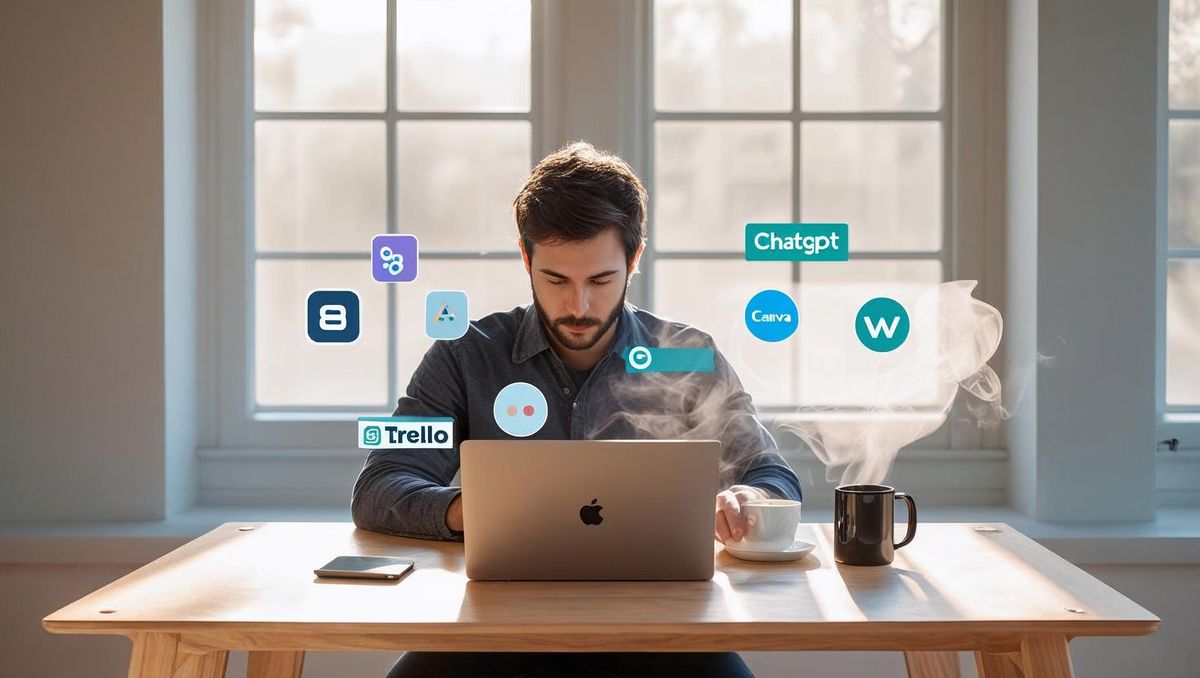
A. Simple CRM Solutions (e.g., Trello, Airtable): For many freelancers, complex enterprise CRMs are overkill. Customized boards on platforms like Trello or Airtable can serve as effective visual pipelines for tracking leads from “initial contact” to “invoiced.“
-
B. Email Management Integration: Tools that integrate directly with email (e.g., HubSpot CRM Free, Mailchimp) allow freelancers to track when leads open emails, schedule follow-ups, and manage mass communications for their services.
2. ⚙️ Project Management and Productivity Optimization
The core of successful freelancing is the ability to execute projects efficiently, meet deadlines, and manage competing priorities.
2.1. Task and Project Management Platforms
These tools serve as the central hub for all ongoing work, replacing chaotic to-do lists and sticky notes.
-
A. Comprehensive Project Boards (e.g., Asana, ClickUp): Excellent for managing complex projects with multiple stages and deliverables. They allow for task assignment, deadline setting, file sharing, and team collaboration if the freelancer works with subcontractors.
-
B. Visual Workflow Management (e.g., Trello, Kanban Boards): Ideal for freelancers who benefit from a visual representation of their workflow (e.g., “To Do,” “In Progress,” “Review,” “Completed”). This clarity prevents bottlenecks and missed deadlines.
-
C. Time Blocking and Scheduling Apps (e.g., Google Calendar, Fantastical): Crucial for minimizing context switching. Successful freelancers meticulously schedule deep-work blocks, meetings, and administrative time to maximize productivity.
2.2. Focus and Distraction Management Tools
In a home office or co-working space, managing distractions is vital for high-quality output.
-
A. Website and Application Blockers (e.g., Freedom, Cold Turkey): These applications temporarily block access to distracting websites (social media, news sites) during designated work periods, enforcing focus.
-
B. Pomodoro Timers: Tools that enforce the Pomodoro Technique (e.g., 25 minutes of work followed by a 5-minute break), helping to maintain high energy and focus over long working days.
3. 💰 Financial Management and Payment Processing
A successful freelancer must be an excellent CFO. Getting paid accurately and on time, and managing tax obligations, are paramount.
3.1. Invoicing and Billing Software
Professional invoicing software ensures clients pay promptly and provides clear records for accounting.
-
A. Integrated Invoicing and Tracking (e.g., FreshBooks, Wave): These platforms allow freelancers to create professional, branded invoices, track their status (sent, viewed, paid), and send automated payment reminders, significantly improving cash flow.
-
B. Automated Expense Tracking: Many invoicing tools include mobile apps that allow the freelancer to snap pictures of receipts, automatically categorizing and logging business expenses, which is critical for tax deductions.
-
C. Multi-Currency Support: Essential for freelancers working with international clients, enabling easy invoicing and payment processing in various currencies.
3.2. Payment Gateways
The smoother the payment process, the faster the freelancer gets paid.
-
A. Global Payment Platforms (e.g., PayPal, Stripe): These are industry standards for accepting credit card payments and bank transfers globally. Stripe is particularly popular for recurring subscription services and platform integration.
-
B. Low-Fee Transfer Services (e.g., Wise (formerly TransferWise)): Ideal for receiving international payments, offering significantly better exchange rates and lower fees compared to traditional banks or older payment platforms.

4. ✍️ Content Creation and Technical Workflow Tools
Specific tools are required depending on the freelancer’s niche, whether they are a writer, designer, developer, or marketer.
4.1. Writing and Editing Tools (For Content/Copywriters)
Content quality directly impacts client satisfaction and SEO performance.
-
A. Advanced Grammar and Style Checkers (e.g., Grammarly Premium, ProWritingAid): These tools go far beyond basic spellcheck, offering suggestions for tone, clarity, sentence structure, and style consistency, ensuring a high level of professionalism.
-
B. Plagiarism Checkers (e.g., Copyscape): Critical for ensuring content originality, protecting the freelancer’s professional reputation, and safeguarding clients from legal issues.
-
C. SEO Content Optimization Software (e.g., Surfer SEO, Frase): Helps writers structure articles, optimize keyword density, and ensure the content meets the high-ranking standards required for maximum organic traffic potential.
4.2. Design and Visual Asset Management (For Designers/Marketers)
Efficiency in managing visual assets and collaboration is key to profitability.
-
A. Cloud-Based Design Tools (e.g., Figma, Canva): Figma is the industry standard for collaborative interface design, while Canva democratizes quick, professional graphic creation for social media and marketing materials.
-
B. Digital Asset Management (DAM): Simple cloud storage solutions (e.g., Dropbox, Google Drive) with robust organizational structures for client files, allowing for quick retrieval and secure sharing.
5. ☁️ Business Infrastructure and Security
A professional freelancer must treat their data and digital access with the same rigor as any large corporation.
5.1. Communication and Collaboration Hubs
Effective, documented communication is the lifeline of remote work.
-
A. Integrated Communication Platforms (e.g., Slack, Microsoft Teams): While primarily used by larger teams, freelancers should encourage clients to use these platforms for organized, channel-based communication, keeping project discussions separate from email clutter.
-
B. High-Quality Video Conferencing (e.g., Zoom, Google Meet): Essential for professional client meetings, screen sharing, and presentations. Investing in reliable service and peripherals (microphone, lighting) is crucial for a professional image.
5.2. Security and Data Protection
Data breaches can be catastrophic for a freelancer’s reputation.
-
A. Password Managers (e.g., LastPass, 1Password): Non-negotiable for securely managing dozens of client and vendor login credentials. Strong, unique passwords are a professional requirement.
-
B. Cloud Backups (e.g., Backblaze, IDrive): Automated, continuous backup solutions protect against hardware failure, ransomware, and accidental data deletion. The ability to quickly restore lost work ensures project continuity.
-
C. Virtual Private Networks (VPNs): Essential when working on public Wi-Fi networks (cafes, airports) to encrypt data and protect client confidentiality.
6. 📈 Marketing, Growth, and SEO for Freelancers
The best tools are those that not only enable work but actively drive new business opportunities.
6.1. Personal Branding and Portfolio
The freelancer’s website and portfolio are the primary sales tools.
-
A. Website Builders (e.g., WordPress, Squarespace, Webflow): Tools that allow the freelancer to build a high-performing, mobile-responsive professional website quickly without extensive coding knowledge. WordPress, in particular, offers endless flexibility for SEO optimization.
-
B. Portfolio Presentation (e.g., Behance, Dribbble): Industry-specific platforms for showcasing visual work, acting as powerful lead-generation tools within their communities.
6.2. SEO and Analytics Tools
Driving traffic to the freelance website is the most sustainable source of long-term lead generation.
-
A. Keyword Research Tools (e.g., Ahrefs, SEMrush, Google Keyword Planner): Critical for identifying the exact terms potential clients use to search for services (e.g., “high-converting email copywriter”).
-
B. Google Analytics and Search Console: These free tools provide indispensable data on website traffic sources, user behavior, and how Google indexes and ranks the freelancer’s site, guiding content strategy and technical SEO improvements.
-
C. Local SEO Tools (if applicable): For locally focused freelancers (e.g., local lawyers, accountants), tools that manage Google My Business profiles and local citations are essential for ranking in “near me” searches.
Conclusion: The Path to Scalable Independence
Success in the modern freelance landscape hinges on strategic tool adoption. The independent professional is essentially a small corporation requiring sophisticated systems for project management, financial stability, and client growth. By adopting a core stack of specialized tools—from integrated invoicing software to advanced SEO optimization platforms—freelancers can elevate their efficiency, reduce administrative overhead, and, most importantly, secure their cash flow. This mastery of the digital toolkit transforms the freelance practice from a chaotic struggle into a highly profitable, scalable, and sustainable business model, ready to maximize every opportunity for client satisfaction and Google AdSense revenue generation through high-value, solution-focused content.